
Professionally provide various industrial
fluid purification solutions
hotline:
027-84679267
Professionally provide various industrial
fluid purification solutions
hotline:
027-84679267Why has cutting fluid filtration become a rigid demand in manufacturing workshops? author:TLER·特利尔 source:en.telier.cn Release time:2026-06-04 17:09:59
The long-term lack of effective purification of cutting fluid in workshops, coupled with the frequent replacement of fluid, has driven up the triple costs of consumables, hazardous waste disposal, and downtime for operation and maintenance, making it a common problem in the machining industry. Most enterprises rely on manual oil skimming and crude filtration with simple filter screens, which can only remove large particles of iron chips. Fine abrasive debris and suspended oil continue to remain, and over time, the waste fluid deteriorates and emits a foul odor. The pungent exhaust gas worsens the workshop environment and poses environmental pollution compliance risks.
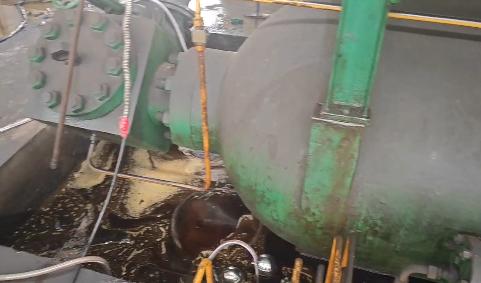
The TLER cutting fluid purification and treatment equipment meets three core needs in a one-stop solution: solid-liquid separation, oil-water separation, and odor removal and sterilization. The equipment filters out metal debris above 5μm with high precision, preventing hard particles from scratching the workpiece surface, enhancing the finish of the finished product, and significantly reducing rework and scrap. It efficiently removes floating oil from the liquid surface, stably controlling the oil content of the emulsion to within 3%, inhibiting the proliferation of anaerobic bacteria from the source, and thoroughly improving the odor problem of the cutting fluid. It delays the hydrolysis and deterioration of the chemical components of the cutting fluid, extending the service life of the original fluid by 3 to 5 times.
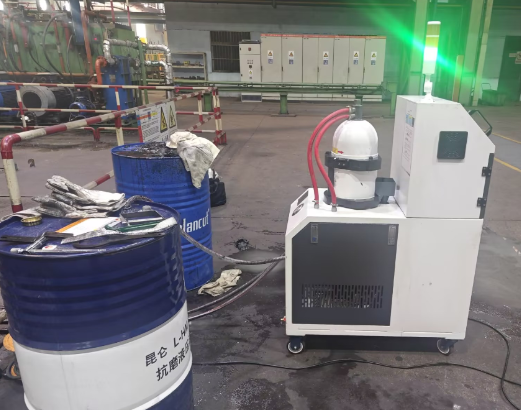
After using the Trier oil-water separation equipment, the workshop no longer needs to frequently purchase new cutting fluid, reducing waste fluid by over 70%. The cost of hazardous waste removal has significantly decreased, and the wear and tear of cutting tools due to impurities has been greatly reduced. This not only meets environmental pollution discharge standards but also achieves cost reductions in consumables, hazardous waste, and cutting tools. Precise filtration of cutting fluid has gradually shifted from being an optional equipment to a rigid requirement in machining workshops, as it effectively addresses various persistent issues in the workshop.

TLER Environmental Science and Technology(Wuhan) Co.,Ltd
National service hotline:027-84679267
Address:Wuhan Economic and Technological Development Zone, Dongfeng Avenue, Central Lakeside
Links
Copyright © All Rights Reserved TLER